| View previous topic :: View next topic |
Mick Harper
Site Admin

In: London
|
|
 |
|
|
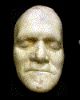
I think we decided the bloke on the chalk hillside was 'modern'.
|
|
 |
|
 |
|
Wile E. Coyote
In: Arizona
|
|
|
|
| Pete wrote: |
And I think there's a pretty good argument that the two things on either side of the figure are comets. |
Comets have a propoganda function. The Temple of Divus Iulius was built (42 BC) and dedicated (29 BC), so they say, by Augustus for purposes of fostering a "cult of the comet", or if you like the cult of of the divine Julius.
It was also known as the "Temple of the Comet Star".
Temple of Comet Star=Ceasar (star=Ceasar)
Ishmeal has written a lot on this connection.
| Ish wrote: | Over several years, I developed a system for interpreting words, names, and place names in multiple languages world-wide based upon a small number of root syllables that appear again and again in every language in similar contexts. From those contexts I inferred the base meaning of those syllables.
The two primary root words I identified I represented as "Khan" and "Tzar." Khan means, "things that are alike and belong together." Tzar means "division, separation, or something divided or separated from other things." In English, the closest words we have to these original roots are "Kin" and "Zone."
The combination of these two words produces one of the oldest concepts in human cognition: Home. The Village. The place where we all live. Identified as the Khantzar (Kin-zone) or Tzarkhan (zone-kin). Places of this name can be found the world over, from Kentucky, to Kandahar.
|
Star=Tzar=Ceasar
So maybe.
Star=Tzar=Ceasar=Squatterman image ?
Sqatterman is the early visual version of the Tzar/Ceasar root word concept. "division, separation, or something divided or separated from other things."
|
|
| |
|
|
|
Pete Jones
Site Admin
In: Virginia
|
|
|
|
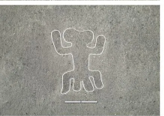
English chalk-outline guy is in the Master of Animals pose. This recently discovered Nazca line (the ones viewable from the air) in South America had to be discovered with the help of AI (whatever that means). I think Master of Animals is a later embellishment of squatterman, making the chalk guy definitely more modern (if not fully modern).
|
|
| |
|
|
|
Pete Jones
Site Admin
In: Virginia
|
|
|
|
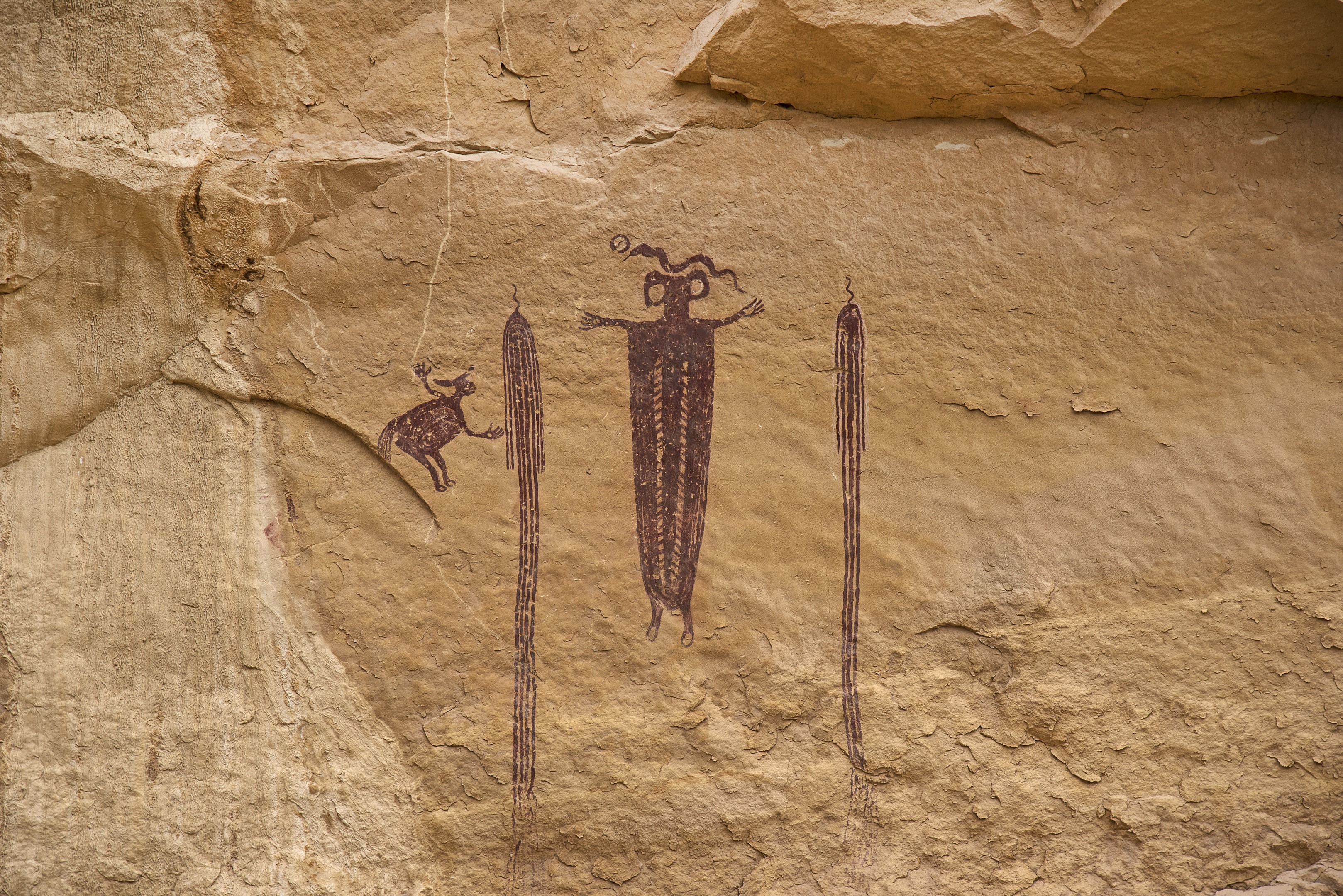
The head shape on the Nazca character is interesting too, because it's extremely common on squattermen, at least in the western hemisphere.
For instance our comet guy:
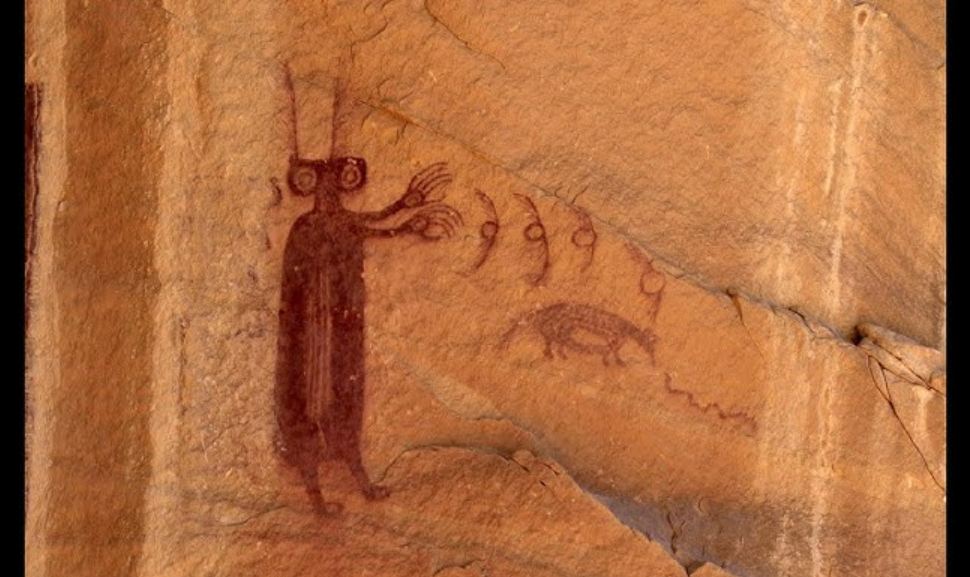
Or this version of comet guy, who appears to be throwing something with streaming tails coming off the sides:
|
|
| |
|
|
|
Pete Jones
Site Admin
In: Virginia
|
|
|
|
It's not clear to me why you need to draw eyes as big circles, when you are perfectly capable of executing other anatomy just fine (like the Abbas Giant).
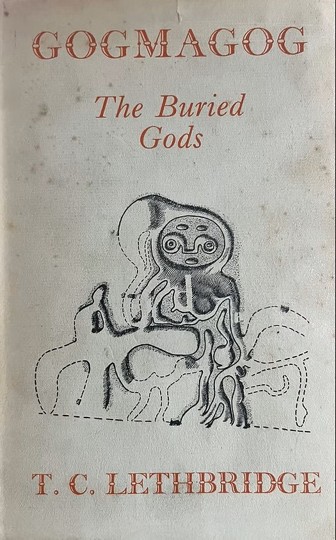
The Wandlebury Giant of Gogmagog Hill (which I learned about 4 minutes ago) is now fascinating to me. This article* goes into the "Establishment's" attacks and now I have to get his book.
But here it is. The eyes are so familiar from all over the world. Very possible to fake, but I have this feeling....
_________________________
https://www.mythicalbritain.co.uk/post/t-c-lethbridge-and-the-lost-gogmagog-giants-of-wandlebury
|
|
| |
|
|
|
Pete Jones
Site Admin
In: Virginia
|
|
|
|
| Wile E. Coyote wrote: | Star=Tzar=Ceasar
So maybe.
Star=Tzar=Ceasar=Squatterman image ?
Sqatterman is the early visual version of the Tzar/Ceasar root word concept. "division, separation, or something divided or separated from other things." |
I have searched and found a few posts from Ishmael on this topic, but nothing that goes into detail. Did he do the deep dive on the old site?
Anyway, I think it's an interesting idea, but I wonder about KHAN. It seems to me to be a softened ("lenited") version of KOHEN (priest) and KHAGAN (leader), which is admittedly completely orthodox.
Even so, there are many more examples that track closely to the KH-G-N and, if there is a single source word, suggest to me that the core word started with the two K/G sounds and then got stuff added on over time. Examples:
KUKATI: Chief (Telugu)
CAKKIRI: king, emperor (Tamil)
CACIQUE: Chief (Portuguese)
Å UÅ (pronounced SHOOSH): Priest (Sumerian)
ZUZHANG: Chief (Mandarin)
QUŠˀ: priest (Aramaic)
CONG: Duke (Vietnamese....they add "prenasalization" to K sounds all the time, so this is the same as COG)
NGANGA: sorcerer (Congo language, where they also add prenasalization N's....so this is GAGA)
KOK: Chief (Selkup, a relative of Finnish and Hungarian)
KAKKA: your excellency (Japanese)
KAHUNA: priest (Hawaiian) I think that CAESAR fits this pattern, as does KHAN. C and S are both versions of K, so CAESAR and KHAGAN are probably from the same source word. But I think the original is something like KHAKH, not KHAN.
|
|
| |
|
|
|
Pete Jones
Site Admin
In: Virginia
|
|
|
|
The softening/lenition can happen on both ends of the word, so in Turkic languages, the "chief, lord" meaning is AGHA....originally (KH)AGHA?
If so, this would make the title AGA KHAN something like CHIEF CHIEF.
Here's wiki on that title:
The title is made up of the titles "agha" and "khan". The Turkish "agha" is "aqa" (Ä€qÄ) in Persian.
The word "agha" comes from the Old Turkic and Mongolian "aqa", meaning "elder men", and means something like "master" or "lord". "Khan" means king or ruler in Turkish and Mongolian languages.
Combining the terms together the title means commanding chief, lord, or master. | |
|
| |
|
|
|
Mick Harper
Site Admin
In: London
|
|
|
|
Mention of the Aga Khan reminds me there might be a new country in Central Asia called Badakhshan. This is where a bunch of Nizam Ismaeli Muslims live, followers of the Aga Khan. You can view an interesting--and so far as I can judge, reliable--account of it here https://www.youtube.com/watch?v=bPB5AKZ7mQM
Countries' names are worth adding to the watch-list because they often incorporate ancient names for people as well as less ancient names of what the ruler was called, e.g. Herzegovina, the Sanjak etc.
|
|
| |
|
|
|
Pete Jones
Site Admin
In: Virginia
|
|
|
|
|
There's a great book (The Key, by John Philip Cohane) which is maybe even correct about how the word "Havoc" is the combination of the names of two gods, Hawa and Og. And then it claims that hundreds of place-names are spinoffs of these two words. Avebury and Ogbury, for two.
|
|
| |
|
|
|
Pete Jones
Site Admin
In: Virginia
|
|
|
|
But are these comets or meteors thrown by a cosmic god? Since I think this all goes back to the Electric Universe idea where these figures are depictions of plasma formations (squattermen), then the idea that primitives thought the gods in the sky were throwing rocks at them fits in well.
So, are these projectiles:
The same as what this cosmic god (Venus) is holding?
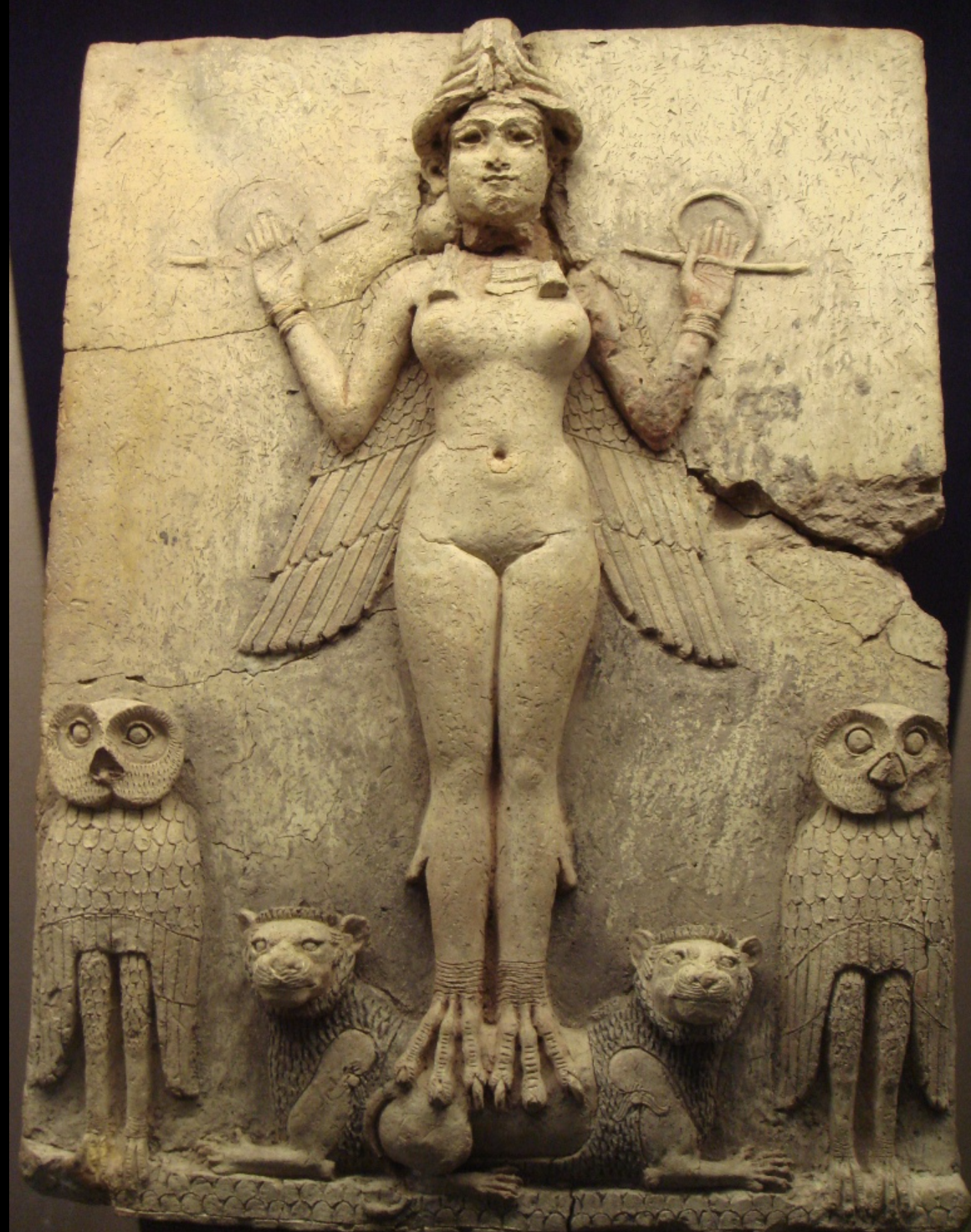
|
|
| |
|
|
|
Pete Jones
Site Admin
In: Virginia
|
|
|
|
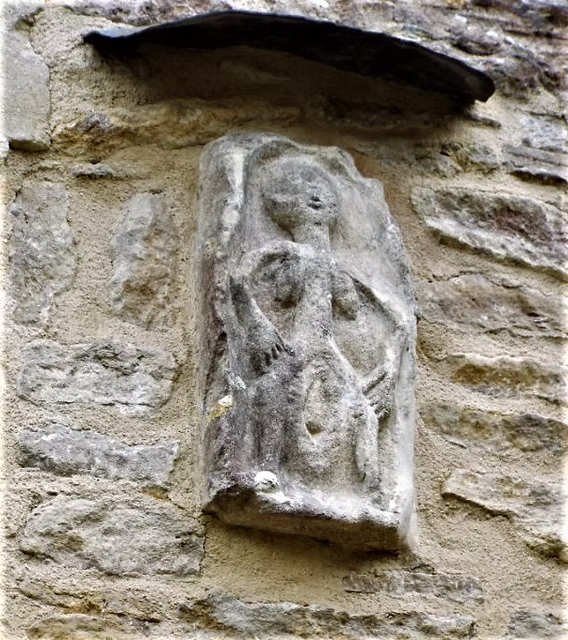
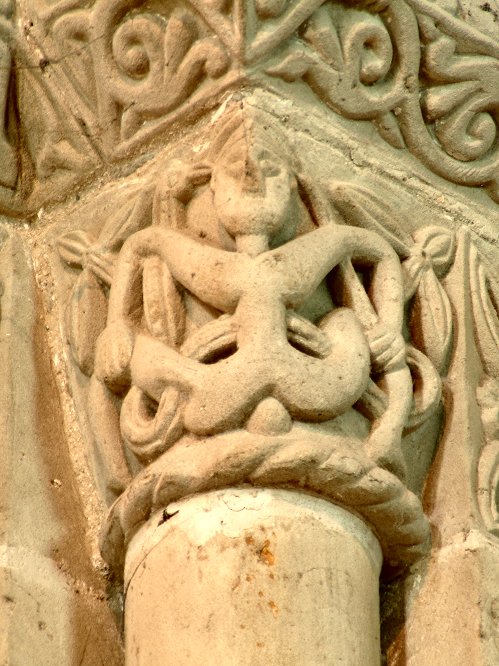
| Wile E. Coyote wrote: | within the centre of the world...we don't have squattermans (obverse). Is this because we were much more civilised?
|
Or, perhaps you have SquatterWomen:
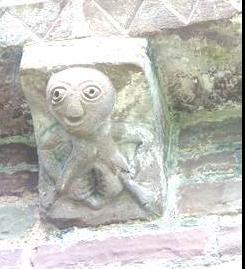
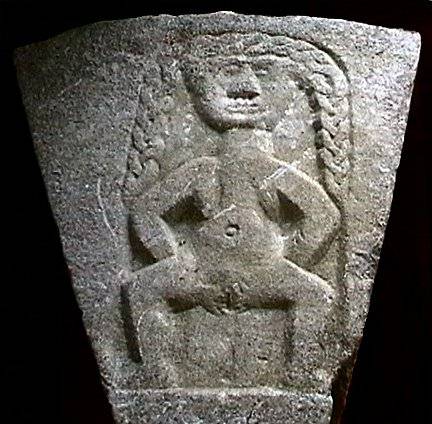
|
|
| |
|
|
|
Pete Jones
Site Admin
In: Virginia
|
|
|
|
This came across my google path today. The headline of the story was "Mysterious Drawing of an African Lion Found in Ancient Puerto Rican Cave, Where There Are No Lions"
It's this:
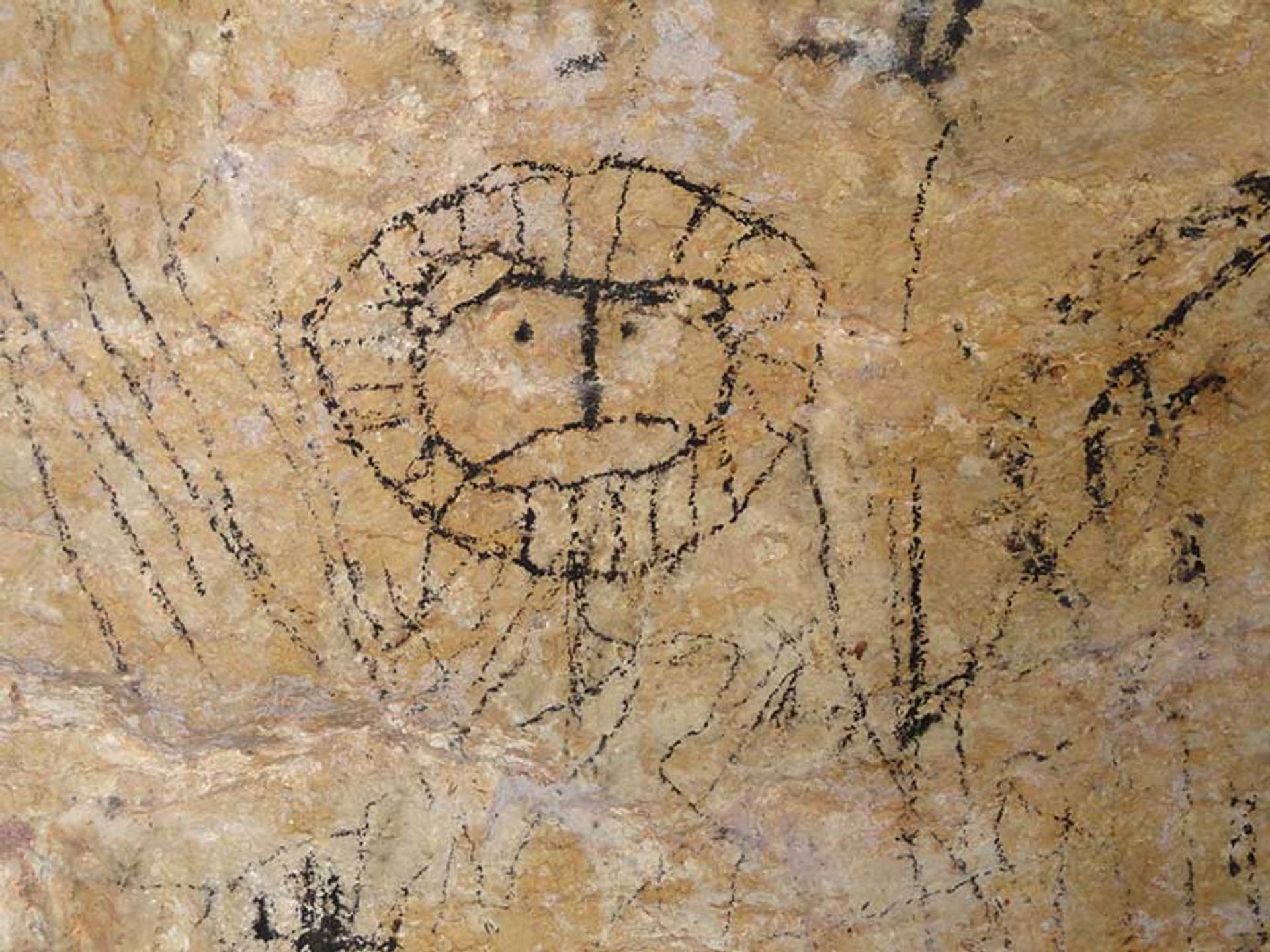
They postulate a slave must have drawn it.
I postulate it is squatterman, just like the one from the "oldest coin"
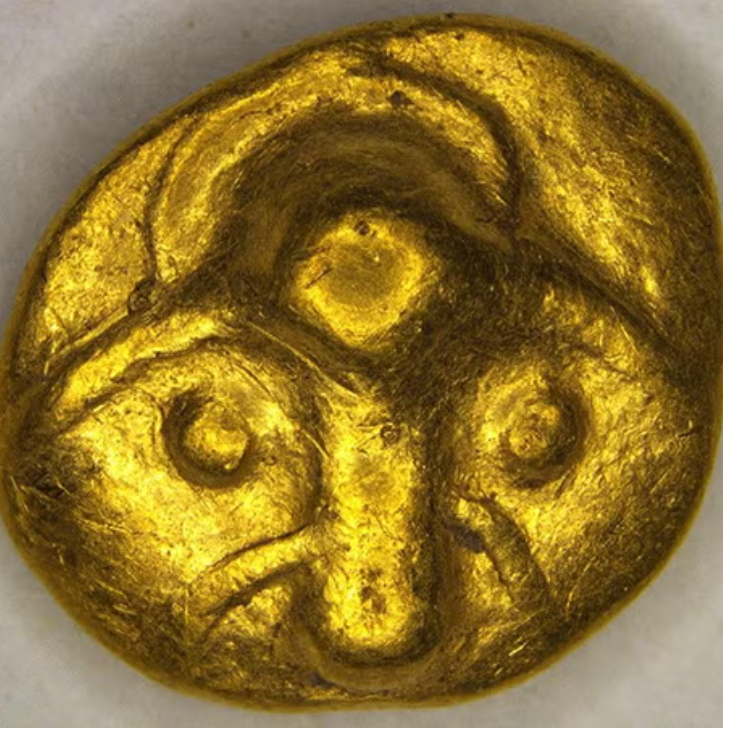
The lion's mane is very familiar from these figures all over the world. Here's a couple "mane" examples:
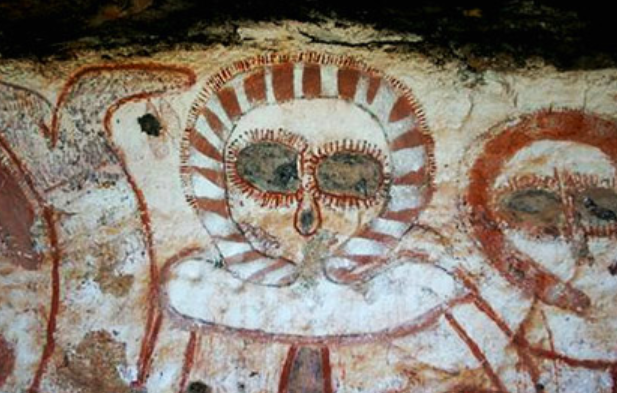
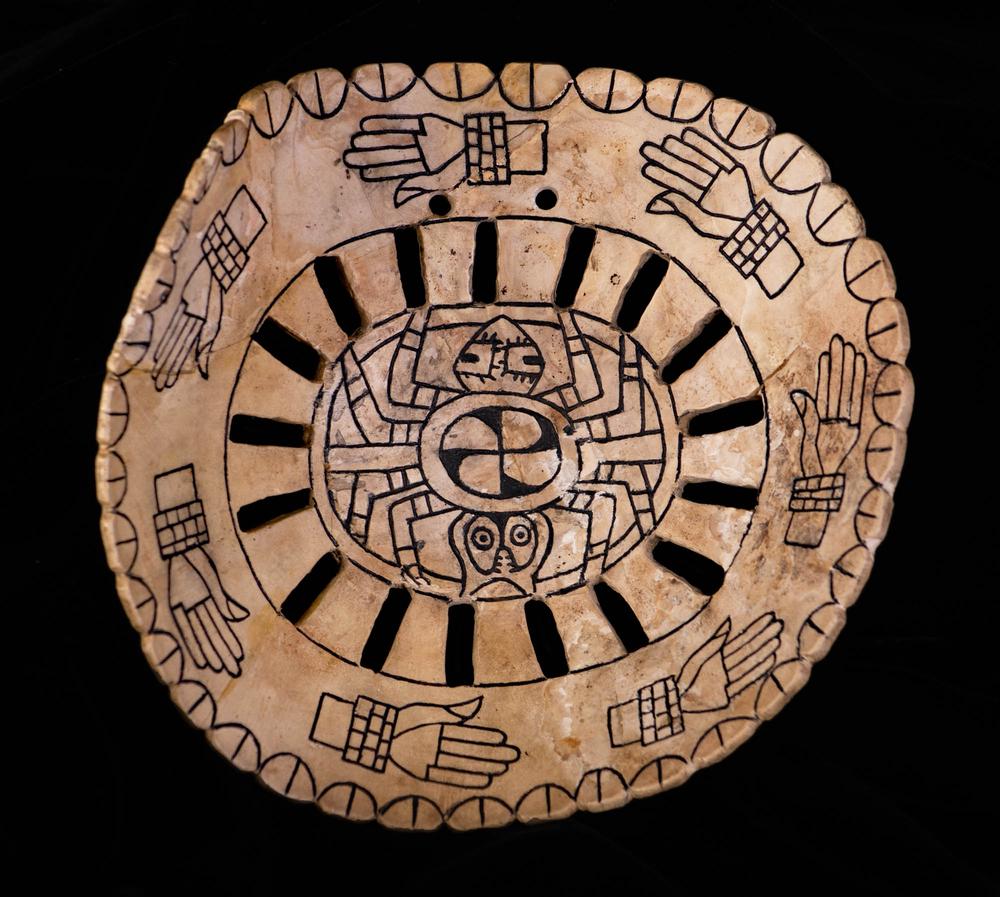
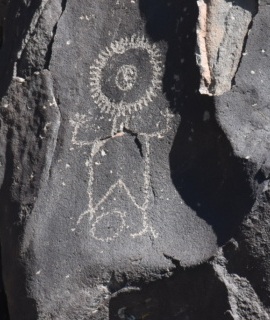
|
|
| |
|
|
|
Wile E. Coyote
In: Arizona
|
|
|
|
| This came across my google path today. The headline of the story was "Mysterious Drawing of an African Lion Found in Ancient Puerto Rican Cave, Where There Are No Lions" |
Not sure, it's only about 500 years old, and Lion symbolism was fairly prevalent in Spain (eg Kingdom of Leon) and in fact Puerto Rico was conquered and colonised by, in part, a Juan Ponce de León.
| Juan Ponce de León[a] (c. 1474 – July 1521[6]) was a Spanish explorer and conquistador known for leading the first official European expedition to Puerto Rico in 1508 and Florida in 1513 |
I might be missing something but shouldn't we actually expect to see lion images.......
|
|
| |
|
|
|
Pete Jones
Site Admin
In: Virginia
|
|
|
|
|
Certainly. Maybe. Maybe certainly. But it doesn't particularly look like a lion to me. Maybe more like a lion than the oldest coin image looked like a stag. The official dating of (all) rock drawings is something I take with salt.
|
|
| |
|
|
|
Pete Jones
Site Admin
In: Virginia
|
|
|
|
A Celtic coin. Notice under the horse.
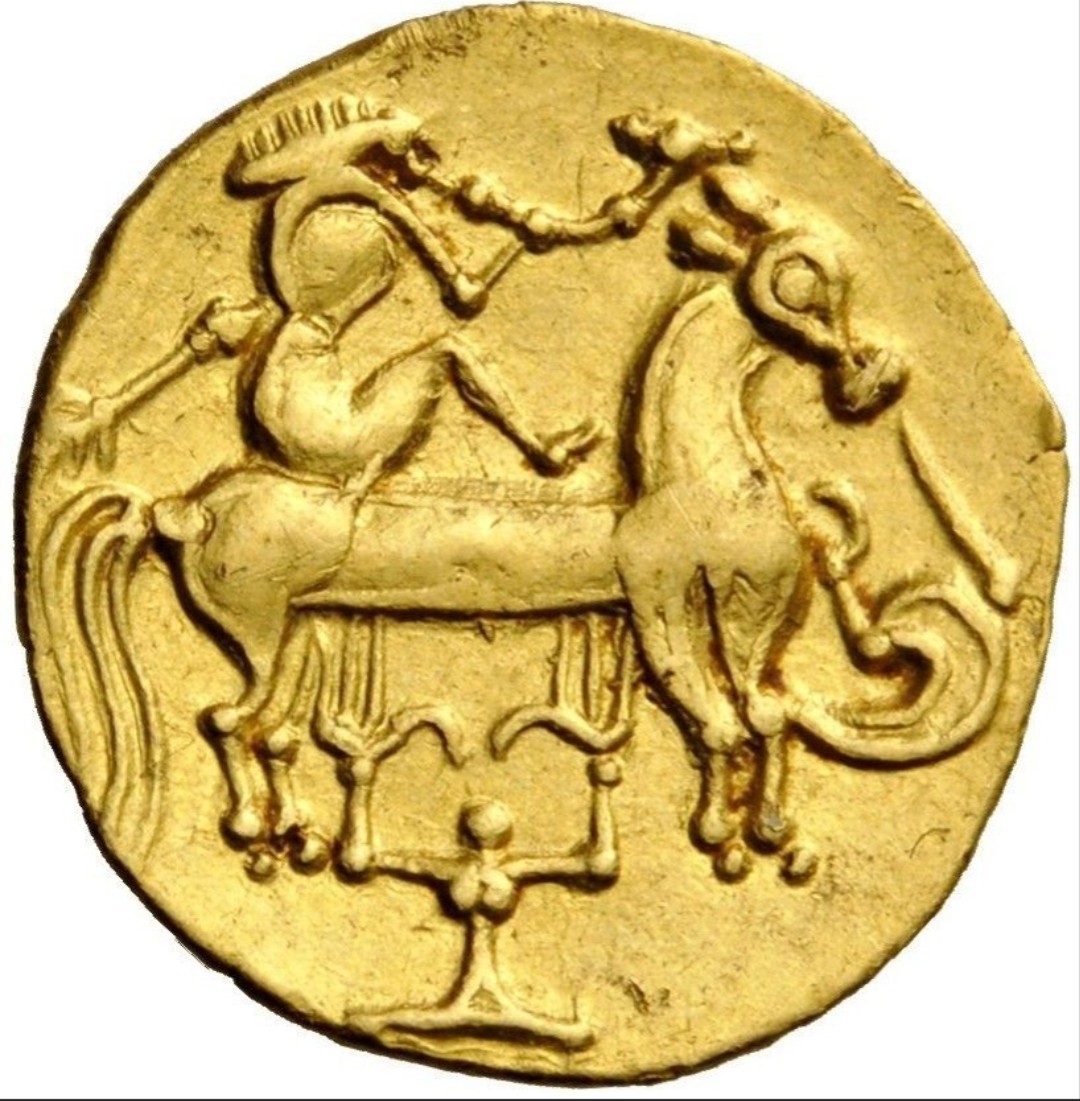
|
|
| |
|
|
|
|
 The Library Index
  FAQ
FAQ  Search
 Register
 Profile
  Log in to check your private messages
  Log in
